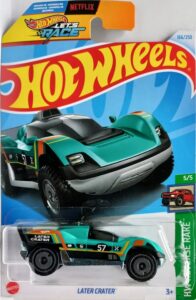
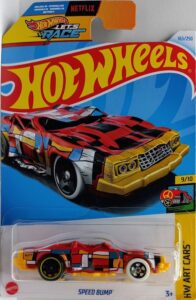
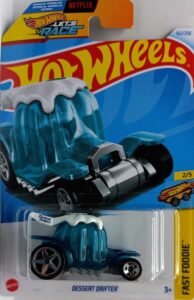
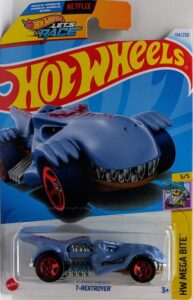
Hot Wheels


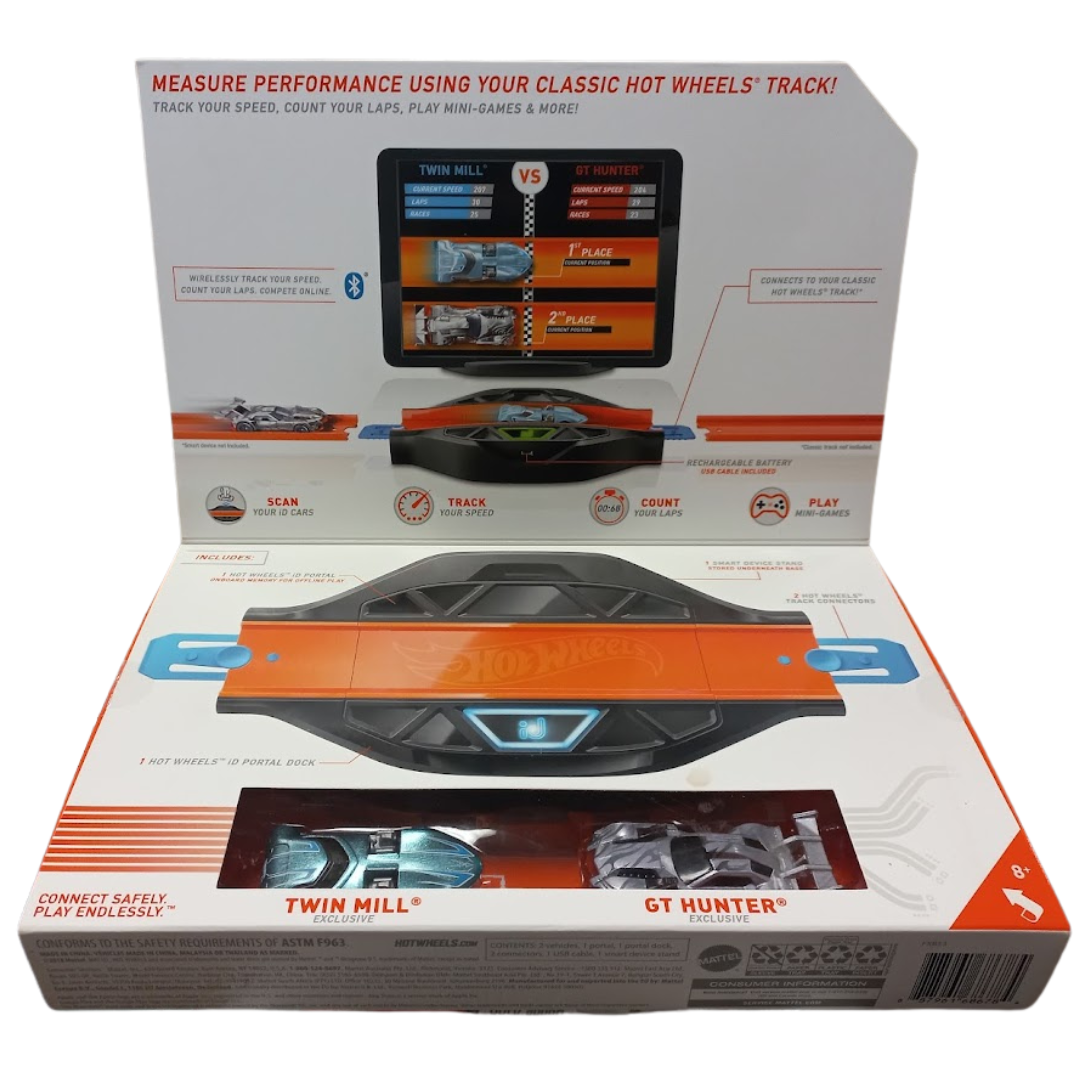
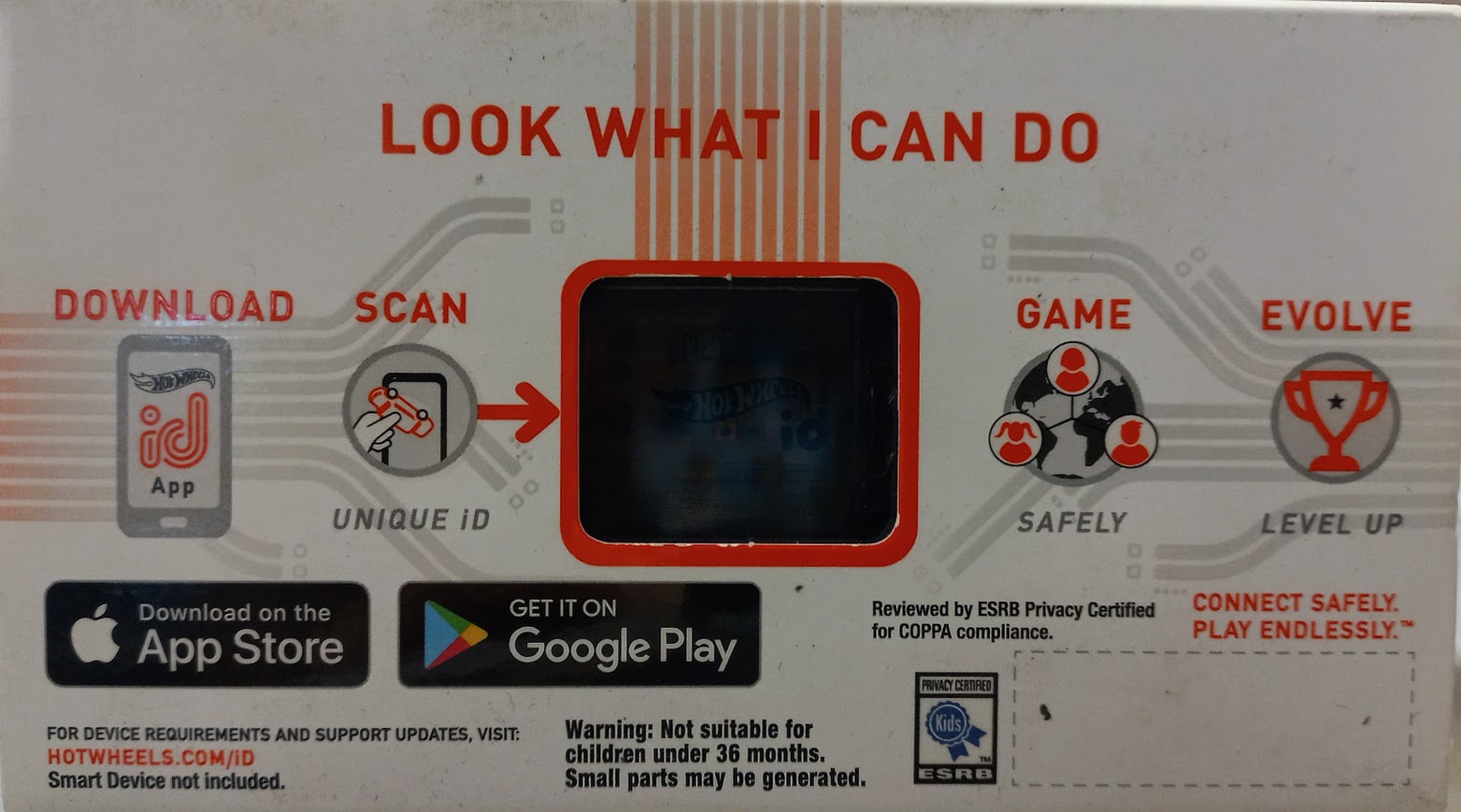
Hot Wheels ID Cars: The Revolutionary Diecast Series

Benefits

  • Enhanced Experience: The integration of both physical and digital aspects provides a more interactive experience for users.
  • Educational Value: By tracking performance data, users can learn about speed, distance, and other features in a fun and engaging way.
  • Collectability: Like traditional Hot Wheels, ID cars are collectible. The digital aspect adds another layer of value and interest for collectors.
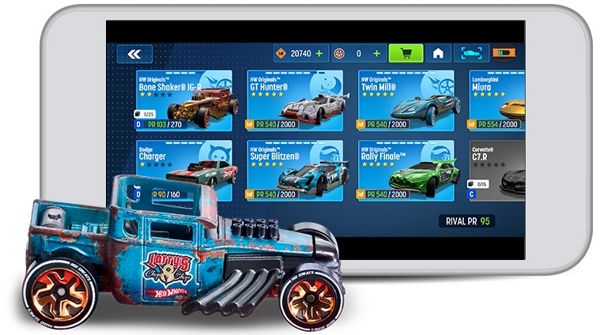
  • Community Engagement: The app allows users to connect with a community of Hot Wheels enthusiasts, share their achievements, and compete in global leaderboards.

Popular Hot Wheels ID Cars

Some popular models in the Hot Wheels ID series include:

  • Nissan Skyline GT-R BNR34 (Fast & Furious)
  • Porsche 911 GT3 RS
  • Bone Shaker
  • Tesla Cybertruck
  • Batmobile
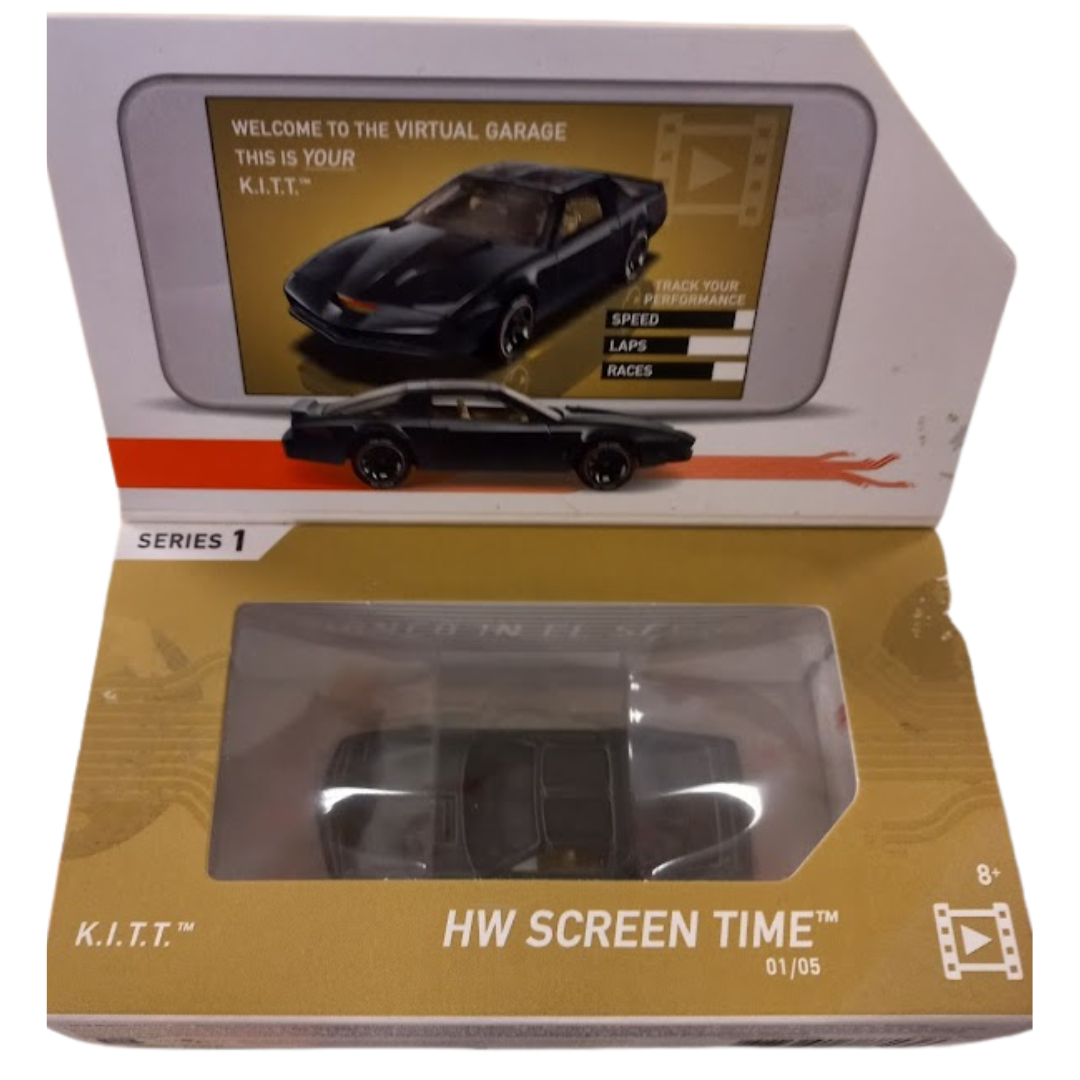
  • K.I.T.T.

These models can often come with unique designs and special features that set them apart from other Hot Wheels cars.

Ending of Hot Wheels ID Cars

Unfortunately with low sales, overproduction and the license for the chips ending, collectors had to say goodbye to the Hot Wheels ID cars in 2023. Although there is still hope of a relaunch, as of now the production of these innovative cars are no more.
Despite its discontinuation, the Hot Wheels ID cars remain collectible items. Collectors continue to appreciate the unique fusion of physical and digital play.

Hot Wheels ID cars represent a great evolution in the world of toy cars, merging the physical and digital worlds to create an immersive play experience. With their technology, interactive app, and engaging challenges, Hot Wheels ID cars offer both kids and collectors a new way to enjoy and interact with their favorite diecast cars. Whether you’re racing on the track or collecting digital awards, Hot Wheels ID cars bring a new level of excitement diecast community.


Hot Wheels: Faster Than Ever

Hot Wheels, the iconic brand of toy cars introduced by Mattel in 1968, has captured the imagination of children and collectors alike for decades.

Among the numerous series and special editions released over the years, the “Faster Than Ever” (FTE) line stands out for its emphasis on speed and performance.

The Concept

The Faster Than Ever series was launched in 2005, and it quickly became popular among enthusiasts for its unique design feature aimed at enhancing the speed of the cars. The key innovation in the FTE series is the use of special nickel-plated axles that reduce friction, allowing the cars to achieve greater speeds on the track.

Design Features

  • Nickel-Plated Axles: The hallmark of the FTE series is its nickel-plated axles. These axles reduce friction between the wheels and the axle, which allows for smoother and faster movement.
  • FTE Wheels: The wheels themselves are designed to complement the axles. They are typically lightweight and well-balanced, contributing to the overall performance.
  • Distinctive Appearance: FTE cars often feature unique paint jobs and decals, making them visually distinctive. This not only enhances their appeal to collectors but also makes them easily recognizable in a race.

Popular Models

Several models within the FTE series have become particularly popular due to their performance and design. Some noteworthy mentions include:

  • Ford Mustang GT Concept: Known for its sleek design and impressive speed.
  • ’70 Plymouth Superbird: A classic muscle car that combines vintage aesthetics with modern performance enhancements.
  • Toyota AE-86 Corolla: A favorite among drift car enthusiasts, this model showcases the versatility of the FTE line.

Collectibility

The Faster Than Ever series holds a special place in the hearts of collectors. The combination of enhanced performance and unique designs makes these cars highly sought after. Limited production runs and the series’ popularity have also contributed to the increasing value of FTE cars on the secondary market.  One of the most valuable FTE Hot Wheels is the First Edition Nissan Titan from 2006 which can fetch $70 or more on the secondary market.

Conclusion

The Hot Wheels Faster Than Ever series represents a perfect blend of innovation and nostalgia. By focusing on performance enhancements through reduced friction, Mattel has managed to create a line of toy cars that not only captivate children but also entice serious collectors. Whether it’s for the thrill of racing or the joy of collecting, the FTE series continues to be a standout in the world of Hot Wheels.


Ultra Hot or Ultra Not? Hot Wheels 2024 Ultra Hots Mix 2

The latest release of Hot Wheels Ultra Hots should be hitting your local Target so we will do a quick review of the cars in the set. All cars feature Spectraflame paint and ultra hot wheels.

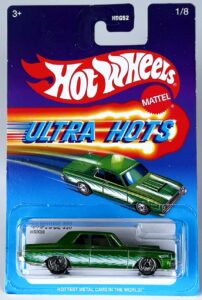
Ultra Hots Dodge 330

The first car in the Hot Wheels Ultra Hots series is the Dodge 330 which features a green paint scheme with a white and blue graphic on the sides and hood. It also features a Hot Wheels flame on the front quarter panel and silver rims.

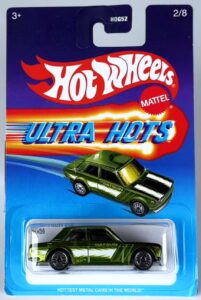
Ultra Hots ’71 Datsun 510

The second car is the ’71 Datsun 510. This car features an olive paint and a similar white paint graphic on the sides and hood. Also included are Datsun and Hot Wheels Flame graphics This car also features silver rims.

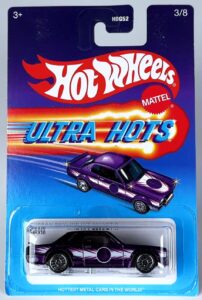
Ultra Hots Nissan Skyline H/T 2000 GT-X

Next up is the Nissan Skyline H/T 2000 GT-X which comes in a beautiful purple paint. This car also features a similar white graphic on the sides and hood. The car also has what appears to be a number decal but without a number. This one also has silver rims.

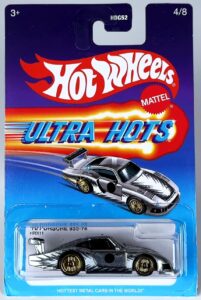
Ultra Hots ’78 Porsche 935-78

The fourth car in the set is the ’78 Porsche 935-78. This car features a beautiful silver paint job and the same similar white graphic on the sides and hood. This car however comes with gold rims that give it a nice touch. A Porsche graphic can also be seen on the rear wing.

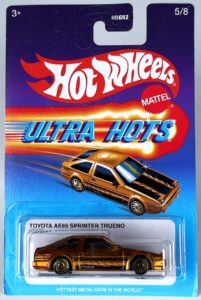
Ultra Hots Toyota AE86 Sprinter Trueno

The next car in the set is the Toyota AE86 Sprinter Trueno. It features a gold paint scheme and is the first car in the set to use a black graphic rather than a white one though it is still present on the sides and hood. It features a Hot Wheels flame on the rear quarter and a Trueno graphic on the sides. This one also features gold rims.

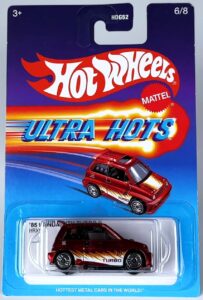
Ultra Hots ’85 Honda City Turbo II

The Sixth car in the set is the ’85 Honda City Turbo II. It features a red paint scheme and the same white graphic on the sides and hood. A Honda and Turbo graphic can both be seen on the side of the vehicle. The car also features silver rims.

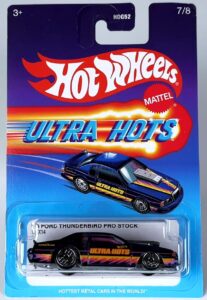
Ultra Hots ’86 Ford Thunderbird Pro Stock

The next car in the set is the ’86 Ford Thunderbird Pro Stock. This car comes in a nice dark blue paint and gives some 90s vibes with a yellow, pink, and orange graphic on the sides and hood. It also features a pink interior. Ultra Hots, Hot Wheels flame, and Goodyear decals are present on the side. This car also features silver rims.

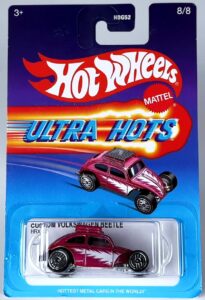
Ultra Hots Custom Volkswagen Beetle

Finally, the eighth car in the Hot Wheels Ultra Hots set is the Custom Volkswagen Beetle. It comes in a pink paint scheme and features the same white graphic on the sides and hood. It has a luggage rack on the roof and has silver rims.

Overall, this is a great set of Hot Wheels Ultra Hots cars but the ones to keep an eye out for will surely be the Skyline, Datsun, and Porsche! These cars have been sold for as much as $20 on the resale market but if you’re wanting to get your hands on them for a decent price, patience will be key. Expect restocks and don’t let FOMO get the best of you and your wallet. Happy Hunting for these awesome new cars!


2024 Hot Wheels J Case Review

The Hot Wheels 2024 J case is in and we have a quick review for you guys.

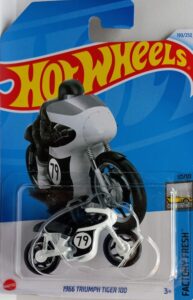
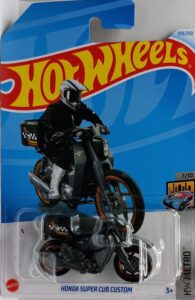
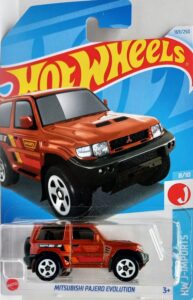
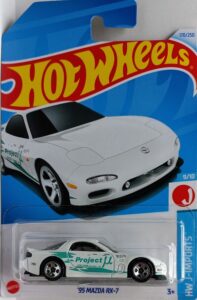
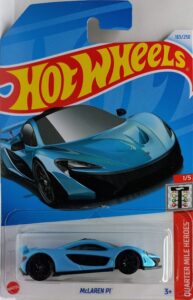
The first casting on our list for the J case is the 1966 Triumph Tiger 100. This bike comes in an all white paint scheme and features an older cafe style racer look. A Triumph logo can be seen on the back of the rider which is a nice touch. This is a new bike and we would love to see Hot Wheels experiment with adding more motorcycles to the mix. Speaking of, the next car is your potential Treasure Hunt for the J case, the Honda Super Cub Custom. This bike features a black and orange paint scheme. On the rear storage bag we can find a Treasure Hunt logo and checkered flag. The third car on our list is the potential super for the J case, the Mitsubishi Pajero Evolution. This car features a shiny orange paint with Hot Wheels and Ralliart graphics. The regular version comes with white rims. The Super Variant will feature a Spectraflame Orange paint as well as black and orange rims. The next car we will look at is the ’95 Mazda RX-7. This car comes with white paint and chrome rims. It also features some teal graphics, but the best addition is the full taillight and branding decals on the rear of the vehicle. The final car for the first half of the J case is the McLaren P1. This car features a nice baby blue paint with black rims. The front headlight details and McLaren badge are a nice touch.

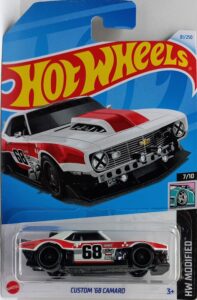
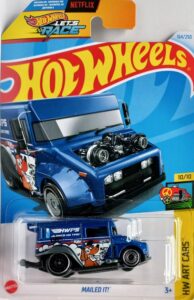
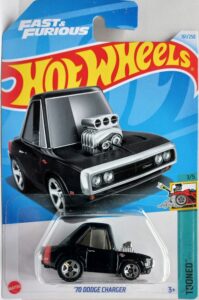
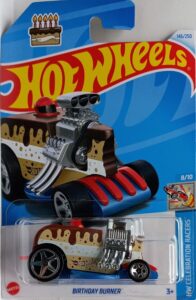
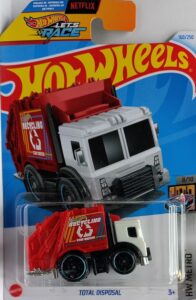
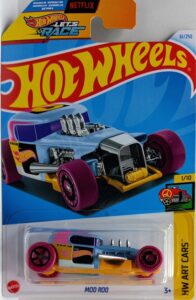
The second half of the J case gives a look at some new recolors and castings. First up we have a recolor of the Custom ’68 Camaro. This car features a white and red paint scheme with smoke chrome accents. This car keeps the modded aesthetic we saw before and the white and red scheme with black rims and dark chrome look great. The Camaro also features some branding near the front quarter panel and a 68 graphic on the roof and doors. The next car is an interesting casting, the “Mailed It” mail delivery van. The van features an exposed engine and Hot Wheels Postal Service decals. A graffiti “y” is also visible on the roof as this car is part of the HW Art Car series. Overall a great new fantasy casting. The third car we will look at is a recolor from last year, the tooned 70 Dodge Charger. Nothing too special here with black paint and chrome rims, but the R/T and Red stripe decals are a great touch. The fourth car we will look at is the Birthday Burner. The car is made to look like a giant piece of birthday cake with an engine peaking out of the front. The grill is meant to be the fork and we can just see our drivers head peak out of the top. Finally, the fifth car we will look at is the Total Disposal garbage truck. The car is interesting and the front makes me think of Optimus Prime with a mustache. A Hot Wheels recycling decal is placed on the sides with a reminder to Recycle and Stay Green. The rear of the vehicle is slightly opened though it would’ve been nice to see some extra recyclable detailing.

Overall the J case is on the lower end of the cases we’ve seen this year. It features more fantasy cars than real ones and that plays a large factor. From an investment side, finding a Super is nice but we don’t expect the Pajero to be the most expensive super this year. The Dodge Charger and RX-7 will be decent pickups but there isn’t much here to make money on. A few gems to be found but that’s about it. Have a fun time hunting these cars when they start to hit your local stores!


Hirohata Merc

The Hirohata Merc is a very famous custom car that we have seen brought into the diecast world by Hot Wheels. With the reintroduction of the diecast model in the 2024 Hot Wheels G Case, we thought it would be a good idea to dive into the history of this iconic vehicle. In the 1950’s having a custom car was the best way to show off your personality and get all the attention at the drive in. George and Sam Barris were among the first to start chopping and customizing cars and by 1951, they had become one of the premier shops for auto customization. The shop had more than it’s fair share of talent to help build the best vehicles on the road. Alongside the Barris brothers was Herschel “Junior” Conway, now known for his affinity of car painting. George Barris was the one running things at the shop, directing the customs in the direction he had in mind. Masato “Bob” Hirohata bought a brand new 1951 Mercury and brought it over to the Barris custom shop in hopes of having a completely custom car. Bob was hoping to have the car finished in time for the 1952 Motorama.

After months of procrastination, the car was started and finished in around a two week timespan. Some of the custom details included changing the lines on the car to be more streamlined. Many of the emblems and chrome parts were also removed including the door handles. A hidden button along the side of the car would allow access to the car. A curved chrome trim piece separated the front and rear windows giving another unique look to this car. The roof was chopped more in the rear than in the front giving the car an iconic sweptback look.  The car featured parts from other car manufacturers that had to be bought new and attached to the car. Some highlights were the Buick side spear, grill from a 51 Ford, separated French headlights, Cadillac hubcaps, ’52 Lincoln taillights, Appleton spotlights, and a Cadillac motor. The dashboard featured pinstriping details done by Kenneth Robert Howard, who is now referred to as the father of modern pinstriping. The interior also feature custom dash knobs and an immense amount of upholstery details. The “Ice Green” paint job was a stark contrast to the metallic paints that most customs of the time were using.

After doing well at the 1952 Motorama, the car began being featured in magazines including Motortrend and Hot Rod. In 1953 Bob Hirohata drove the car cross country to Indianapolis for a car shop competition and took best in show. In 1955, the car went through a color change, replacing the Ice Green for a gold metallic paint. The car would display this new paint scheme for the movie Running Wild where it was featured. After the movie appearance, Bob sold his Merc. It moved to a few other owners until 1959 where Jim McNiel purchased it from a lot for $500. By this time the car had been neglected and needed some work. After some restoration, Jim fixed the car up, but after he met his soon to be wife, the car was forgotten once again, but left in a protected place. Jim kept his aspirations of maintaining the car and declined multiple offers on the car including one reportedly up to a million dollars. Some time later Jim received a call from Pat Ganahl, editor for Rod and Custom magazine. Pat had an aspiration to help Jim restore his Merc so the magazine would have a high-profile car to feature in the magazine. The car stayed in the garage for the restoration. Most of the work was done by Jim and his son with some outside help here and there.

As the car neared completion, a target date and location was set for the cars re-unveiling. The Hot Rods and Customs car show at the Oakland museum of Art. The last detail that needed to be added was the paint and a call came in from Junior who didn’t work on the car during its first rendition but wanted to give his hand a try at painting the newly restored body. The car was restored to the original two tone “Ice Green” paint scheme with help from PPG. After 10 years of work, Jim’s dream of restoring the Hirohata Merc was complete. The car went to a multitude of car shows and eventually made its way to the Pebble Beach car show where it won first in class helping cement the cars legacy. On April 12, 2017 the Hirohata Merc was made part of the National Historic Vehicle Registers now archived in the Library of Congress. The car now resided at The Peterson Automotive Museum following the death of Jim McNiel. “The real car is currently owned by Beau Boeckmann over from Galpin motors and it’s on display in his Galpin Speed Shop up in Van Nuys, California” says Brendon Vetuskey, one of the creative Hot Wheels designers. The car was sold at a Mecum auction in 2022 for $2,145,000 after all fees had been paid.

This isn’t the first release of the Hirohata Merc from Hot Wheels. “Well, it’s not the first time that hot wheels has made this car in 1/64 scale. It was done previously in the premium product lines. However, it’s back in 2024 as a mainline car so you can buy it for one dollar…” Vetuskey states. The Merc had its first debut in 1998 as part of the Legends: Barris Kustom 4-Car Set. Along with being part of the premium set meant with more detail came a higher price. Vetuskey explains how he managed to take the complex car from premium to mainline. “I borrowed the original sculpted pattern from Larry Wood for this car and had it scanned in our model shop. I made a few adjustments to it and that’s what we used to prepare the digital sculpting for this car…With a car in the mainline, we are typically limited to four parts to keep it at a one dollar price point and I incorporated part of the body into the chassis to provide a color break which represents the real car. It will also help our graphic designers when they do new color versions of this for future releases” Vetuskey explains. There is plenty of excitement surrounding the real and diecast version of this classic custom and we’d love to see more cars like this make their way to the pegs.